Farming success begins with the soil. The condition of your soil before planting can determine whether your crops thrive or struggle. Proper soil preparation sets the stage for germination, root development, nutrient absorption, and ultimately, yield. If ignored, poor soil structure, compaction, nutrient imbalance, and weeds can limit productivity and increase farming costs.
Here are some necessary steps for preparing soil to ensure a successful planting season:
- Test Your Soil First: Soil testing is the first and most important step. A soil test reveals nutrient levels, organic matter content, and pH. With this information, farmers can make data-driven decisions on the right type of fertilizer, organic matter, or pH adjustments needed for specific crops.
- Clear the Land: Remove weeds, crop residues, stones, and debris. This reduces competition for nutrients and water while minimizing pests and disease risks. Early land clearing also makes tilling easier.
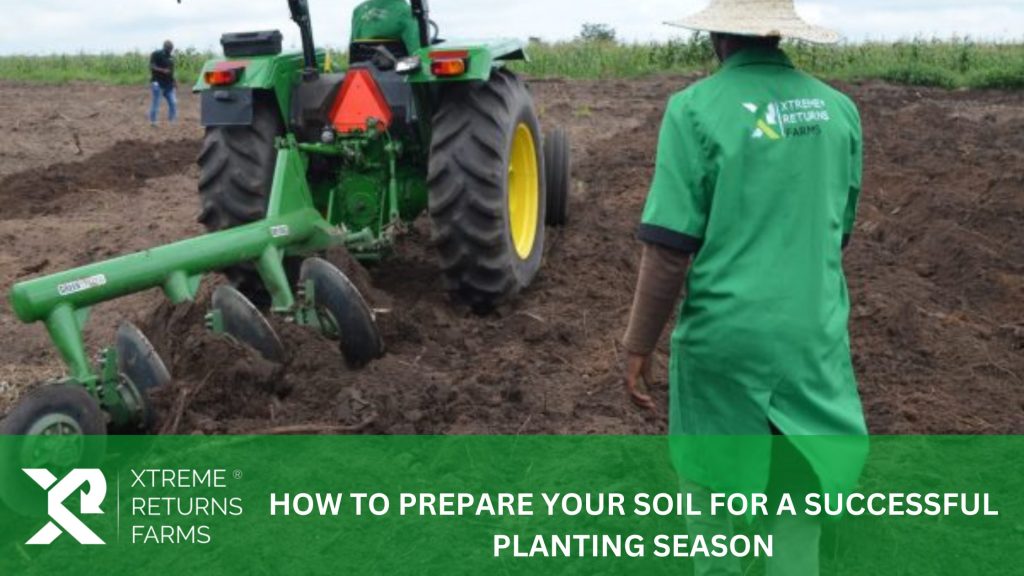
- Till and Aerate the Soil: Tilling breaks up compacted soil, allowing roots to penetrate deeper and access nutrients. It also improves aeration and water infiltration. Depending on farm size, this can be done with hoes, plows, or mechanized tillers. However, over-tilling should be avoided as it can degrade soil structure.
- Add Organic Matter: Compost, animal manure, and decayed plant residues enrich the soil with essential nutrients. Organic matter improves soil texture, enhances water retention, and supports beneficial microbes that aid plant growth.
- Soil Fertility Balancing: Once soil test results are available, apply fertilizers or soil amendments to correct deficiencies. For example, nitrogen boosts leafy growth, phosphorus strengthens roots, and potassium enhances fruiting. Tailoring nutrient application to crop needs is key for maximum yield.
- Planting Beds Structuring: Leveling ensures uniform water distribution, while raised beds or ridges can be created for crops that need improved drainage. Structured planting beds also make weeding, irrigation, and harvesting more efficient.
- Early Pest and Weed: Incorporate weed control into your soil preparation plan. This may include mulching or applying of pre-plant herbicides. Taking action before planting reduces future competition and pest infestations.
CONCLUSION
Soil preparation is the cornerstone of successful farming. At Xtreme Returns Farms, we have invested heavily into quality soil preparation practices that create the ideal environment for crops to flourish. This ensures seeds germinate in nutrient-rich, well-drained soil, and crops establish strong root systems. This is why our plantains, corn and cassava yield healthier harvests.
Do you need fresh and organic maize, cassava and plantains produce for retail and wholesale use?
Call 09030001295 to order now.